Wednesday, December 31, 2008

2008


lizard tracks in the valley of fire

continental divide

mountain bluebird, a neighbor to my favorite
place in the world

owlclover


wild 'strawberry spinach', chenopodium capitatum


id anyone?


indian paintbrush

long exposure


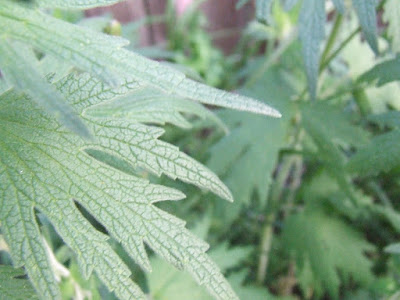
imagine a giant perilla forest

smokeythecat


madcap laughs

mullein flower

heimia salicifolia

monarda


Wednesday, April 23, 2008

dandelion salad


One of the great things about spring is that there are so many leafy plants to eat. While garden greens are still small some wild plants are ready to harvest. The first time I ate dandelions was a few years ago camping with a friend in Wyoming. We spent an entire morning picking dandelion flowers in an area that had an amazing amount. Growing up, for some reason I thought dandelions were poisonous. I know other people often have this idea too. I think one of the reasons is that dandelions in public places are often sprayed with dangerous chemicals. Dandelions actually make a very good food and medicine too.


Dandelions are not native to North America but have adapted through most of the continent. They grow as a perennial and spread widely through their flying seeds. The leaves can be eaten raw or cooked. The young leaves are the least bitter. PFAF says this: "A very nutritious food, 100g of the raw leaves contain about 2.7g. protein, 9.2g. carbohydrate, 187mg Calcium, 66mg phosphorus, 3.1mg iron, 76mg sodium, 397mg potassium, 36mg magnesium, 14000iu vitamin A, 0.19mg vitamin B1, 0.26mg vitamin B2, 35mg vitamin C". The root can also be roasted into a healthy coffee substitute or addition and the flowers can be made in syrups and wine.

Friday, March 28, 2008

annie dillard

I recently read FOR THE TIME BEING by Annie Dillard. Here is a passage from the first chapter that maybe meant something to me:


“The blue light of television flickers on the cave wall. If the fellow crawls out of the cave, what does he see? Not the sun itself, but night, and the two thousand visible stars. Once, I tried to converse with him, the fellow who crawled out of his blue-lit cave to the real world. He had looked into this matter of God. He had to shout to make himself heard. “How do you stand the wind out here?”

I don’t. Not for long. [. . .] It seemed unlikely that he heard. The wind blew into his face. He turned and faced the lee. I do not know how long he stayed out. A little at a time does for me-a little every day.”

Friday, March 21, 2008

Blanket Time

Three years ago my sister told me that she made a blanket for my birthday, only she had a little more work to do. She finished last week and gave it to me today! It is a very nice blanket.

Saturday, March 15, 2008

blogs grow too

I started this blog more than a year ago. I originally had just gotten a new camera and wanted a place to post pictures. Though friends have said nice things about the photos, I would like to do a little more with the blog. If nothing else I would like to make it a space I feel comfortable using. Hopefully I will be making more posts. I would appreciate any suggestions or motivation more than I can say!

Spring is so close I can taste it!

Monday, February 04, 2008

Verbascum thapsus - common mullein and its uncommon uses

Mullein is a plant that can be found naturalized in every US state and many other places around the world. Though often seen as nothing more than a troublesome weed mullein has much to offer us. Native to Europe, northern Africa, and Asia, mullein was introduced into North America early in the 18th century as an herbal medicine. It is best to look for mullein in relatively disturbed soils, often along roads or railroad tracks. If you can spot dry stalks, it is usually possible to find plants in the area at any point during the year.


Verbascum thapsus is a biennial, which means that it lives for two years. The first year it will grow only leaves, and the second year a stalk that produces many yellow flowers. The stalks generally grow 1 - 2 meters high, though some can grow much taller. Mullein is easy to find and in the fall seeds can be collected and spread into gardens or other areas. It is also possible to transplant young plants which tend to grow close to one another. Each part of the plant has unique uses and I hope here to help others see the beauty in a plant that is often overlooked.

The plants for a future database has valuable information on mullein, as does wikipedia. Instead of repeating the information I am going to give the links and encourage everyone to read them and make time to find some mullein plants or pay closer attention to those already growing around you.

Plants For a Future - Verbascum thapsus

Wikipedia - Common mullein

Tuesday, January 29, 2008

More 2007 photos

Here are a few more things that I wanted to post.
Hopefully I will get caught up and start
making better posts..

Mullein - Verbascum thapsus


Feverfew

Squash cross

A young Rhubarb plant from seeds I brought
home from Wyoming


Steamboat Botanic Park, Steamboat Springs CO
I wasn't in much of a picture taking mood here
but maybe you can get an idea how cool of a
place this is.

All white columbine

Motherwort

SBP Medicinal garden


Smokey